In Microsoft Word, there are two types of lists: numbered lists and multi-level lists. While both are used to display information in a structured way, they have some important differences.

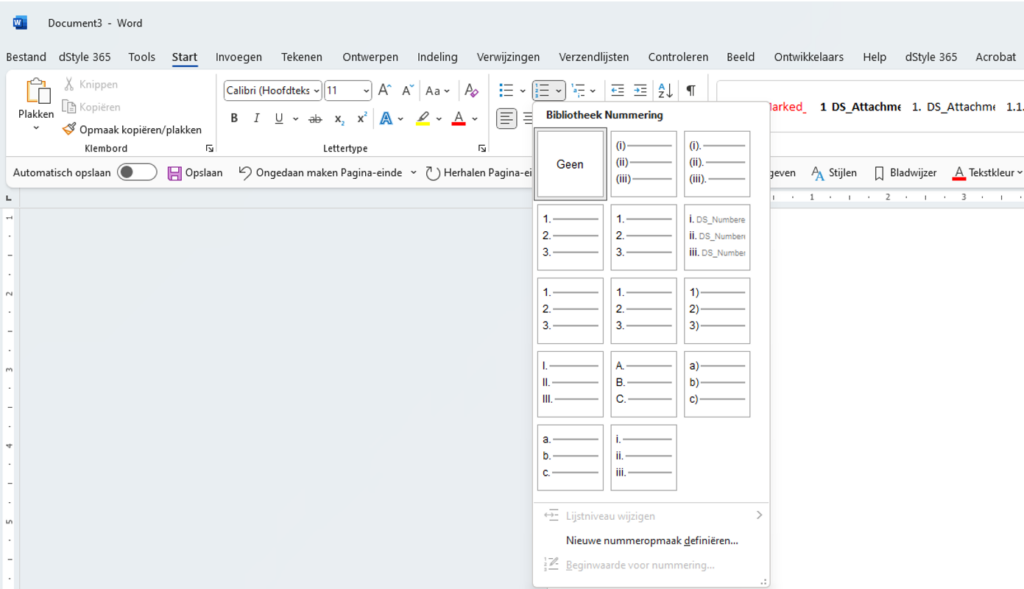
Numbered Lists
A numbered list is a list in which each item is assigned a unique number. This can be useful when the order or hierarchy of the items doesn't play a role, but each item needs to be identified with a specific number. Numbered lists can be used, for example, to present instructions, step-by-step plans, or enumerations. Word offers various formatting options for numbered lists, including different numbering styles and customization possibilities.
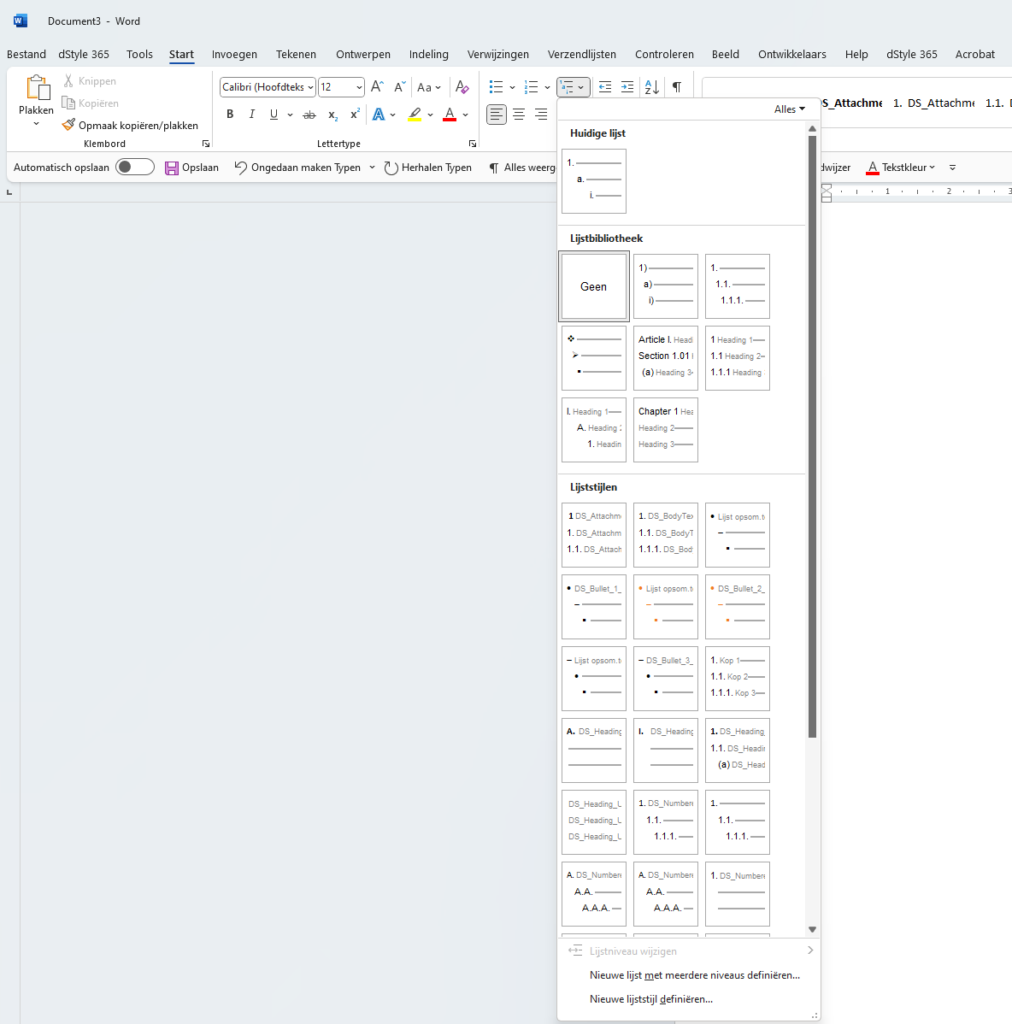
Multi-level Lists
On the other hand, multi-level lists offer the ability to organize information hierarchically. They make it easy to display subordinate relationships between items. With multi-level lists, you can create sub-items and main items, allowing you to structure and present complex information. This is especially useful when creating, for example, a table of contents, a step-by-step plan with sub-procedures, or a hierarchical overview of information. Word offers various levels for multi-level lists, so you can create a detailed structure.
In general, numbered lists are suitable when the order or identification of items is important, while multi-level lists are useful when you want to organize information hierarchically and add sub-items. The choice between both types of lists depends on the purpose and nature of the content you want to present.